OBOE designs, develops & integrates
cost-effective, high performance
construction systems
OBOE’s systems all conform to our ethos of low carbon, durability, liveability, and efficient construction
We combine precision-engineered SIPs, mass timber, high-quality windows, seismic-resilient foundations, and advanced HVAC systems to create sustainable, low-carbon, durable structures that set a new standard in modern homebuilding.
STRUCTURAL INSULATED PANELS
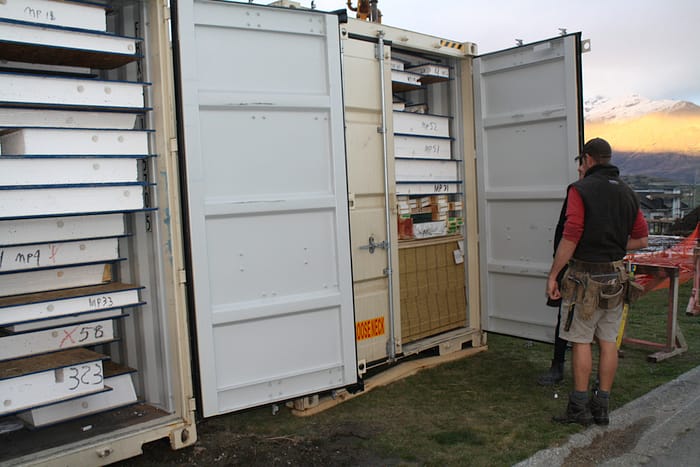
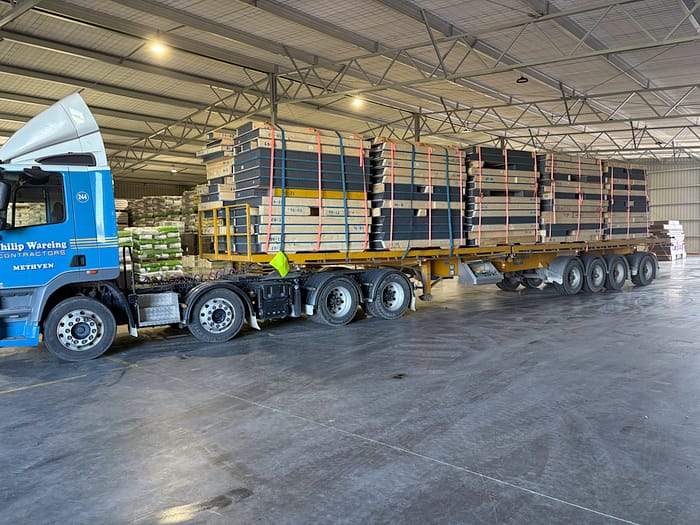
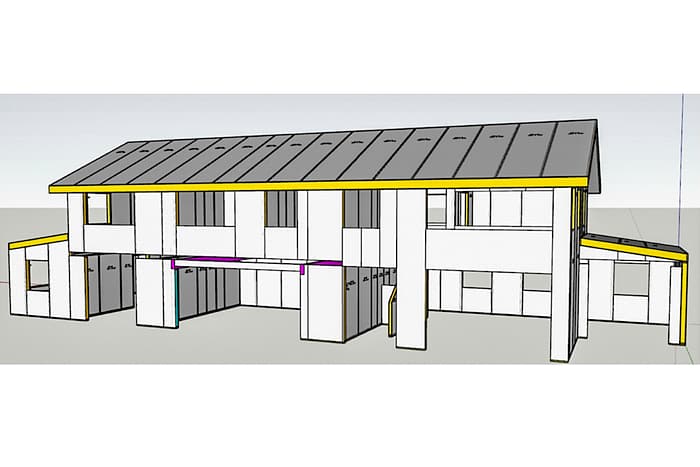
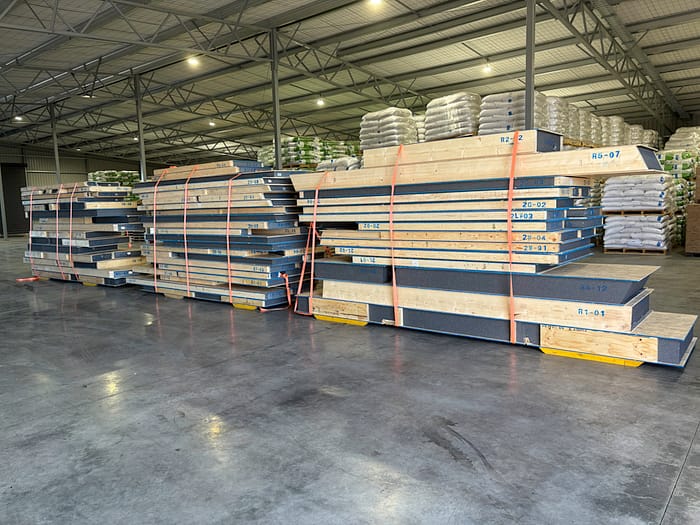
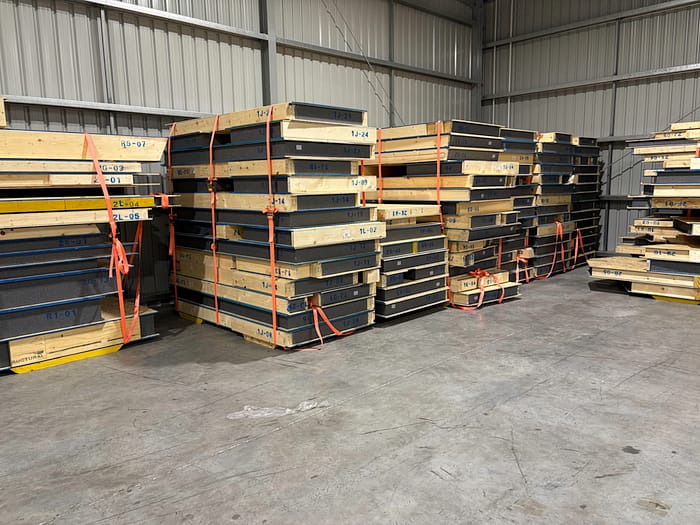
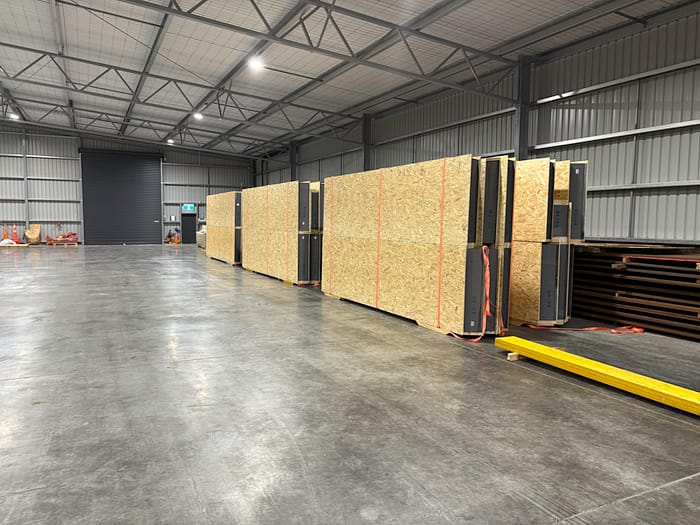
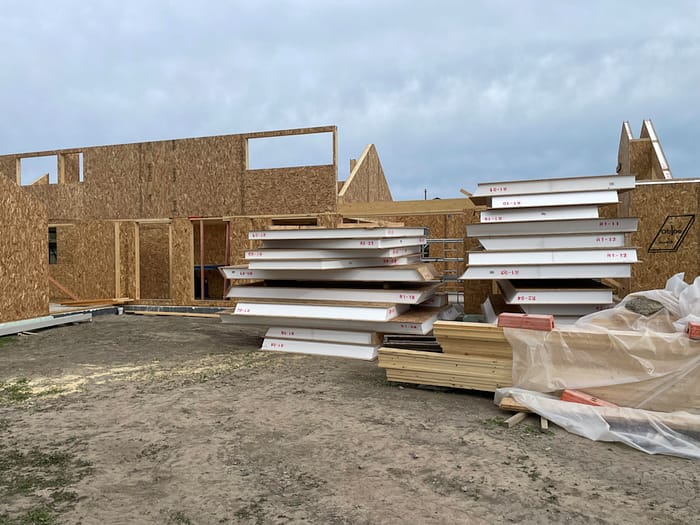
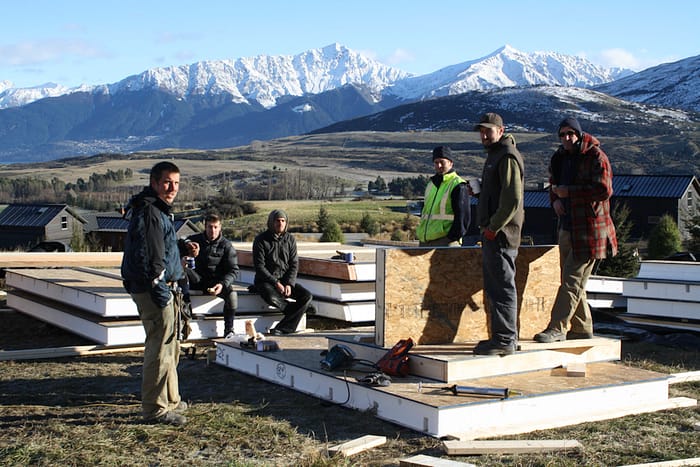
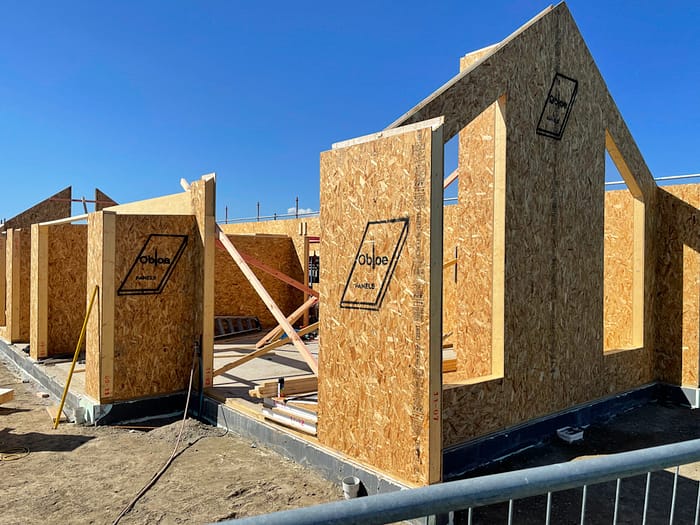
A highly insulated building envelope enhances living and enables quicker construction.
Structural Insulated Panels (SIPs) are made of expanded polystyrene (EPS) bonded to an exceptionally strong board on both sides. They can be cut offsite to any size or angle, offering unlimited design options. Their torsional strength makes them ideal for multi-level and vaulted construction.
Structural Insulated Panels (SIPs): High-Performance Construction for Modern Homes.
Structural Insulated Panels (SIPs) are advanced building materials composed of expanded polystyrene (EPS) bonded between oriented strand board (OSB). Engineered for strength, efficiency, and design flexibility, SIPs are a superior alternative to traditional stick-and-frame construction.
Key Benefits of SIPs
Design Precision and Versatility: Custom cut off-site to any size or angle, SIPs offer limitless architectural possibilities while ensuring a perfect fit for quicker, more accurate construction.
Energy Efficiency: SIPs provide 50% greater energy efficiency than timber framing, resulting in airtight buildings that minimise heat loss, cut down on energy bills, and reduce carbon emissions. Oboe panels feature graphite-infused EPS, which boosts r-value ratings by 20%.
Faster Build Times: Prefabricated in a controlled factory environment, SIPs make on-site assembly easier and minimise construction time, waste, and weather-related delays.
Strength and Durability: The composite foam core and OSB exterior deliver outstanding structural integrity and torsional rigidity, making SIPs perfect for construction without requiring additional beams or internal linings like GIB.
Spacious Design Options: SIPs can eliminate the need for roof trusses and allow spans up to 6 meters. They are perfect for cathedral ceilings or open second-story layouts.
With their energy efficiency, durability, and streamlined construction, SIPs deliver sustainable, high-performance homes built for modern living
MASS TIMBER
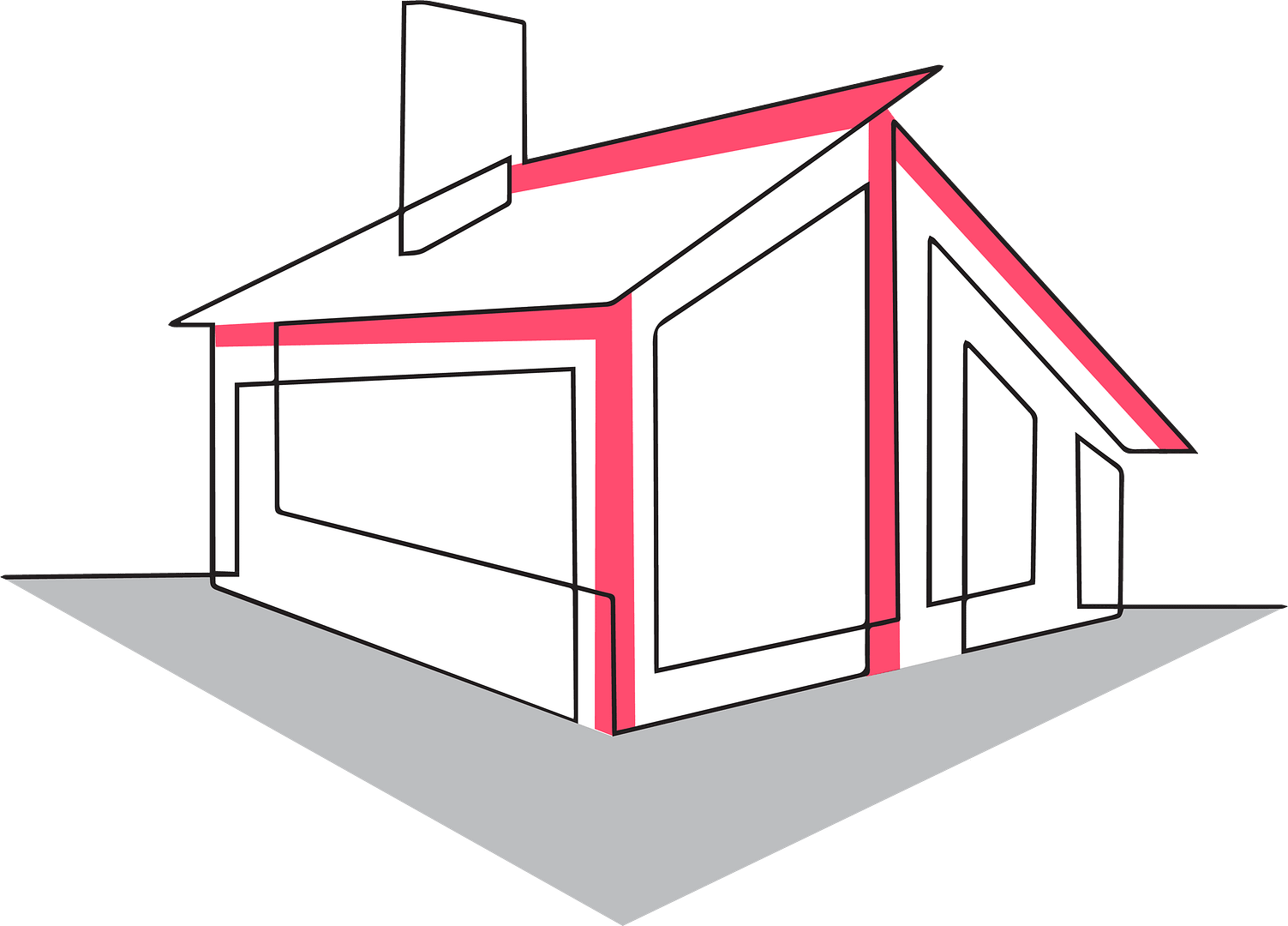
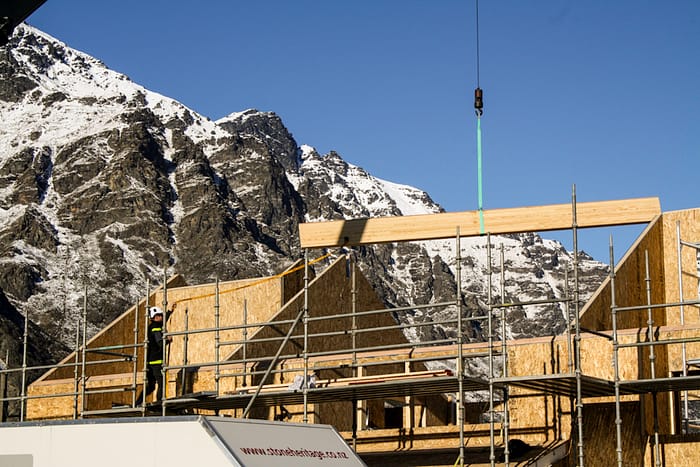
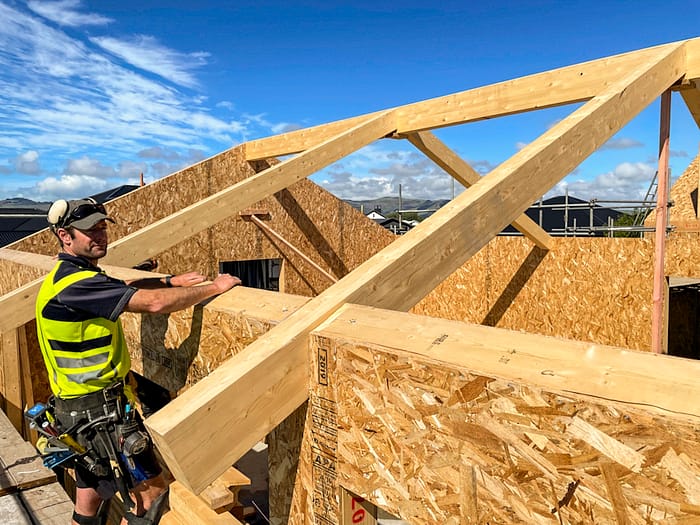
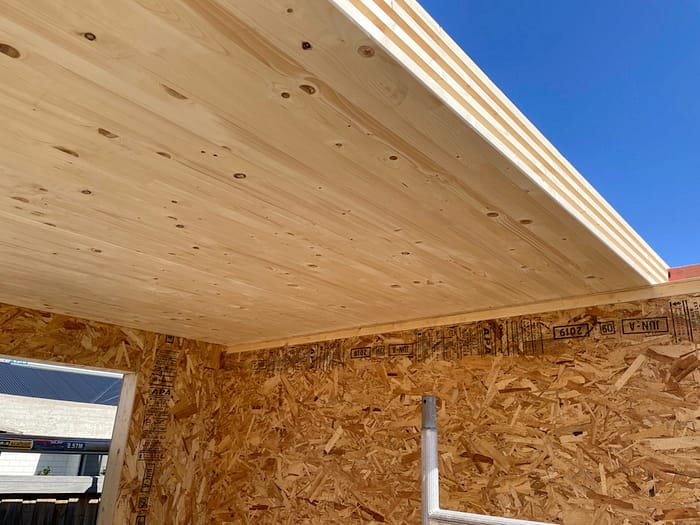
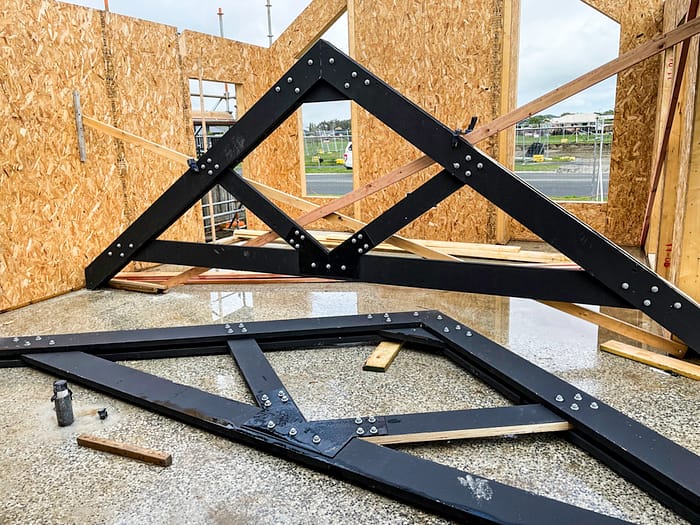
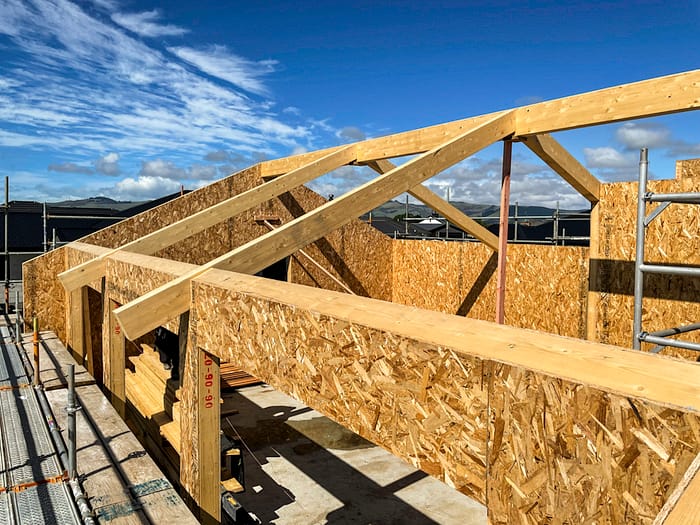
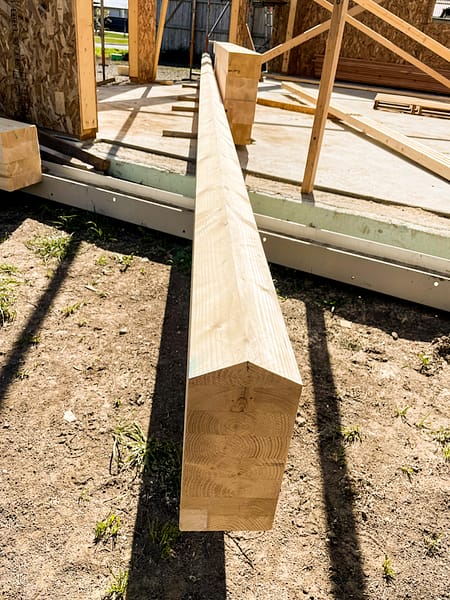
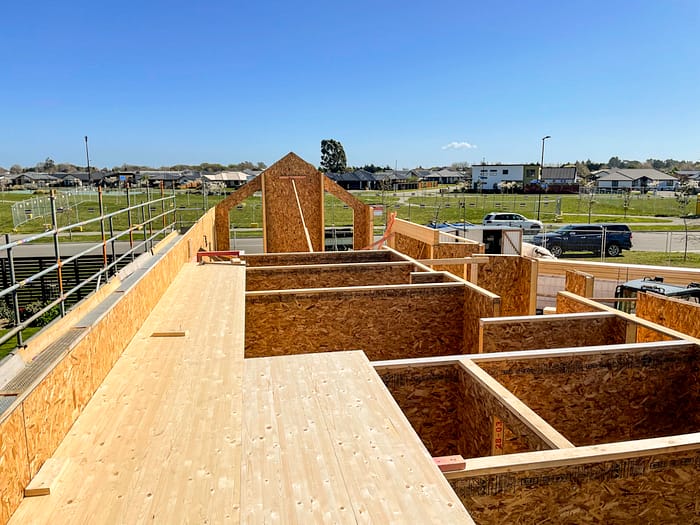
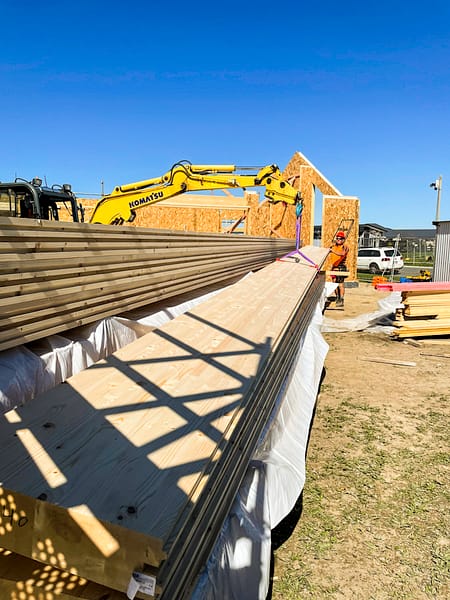
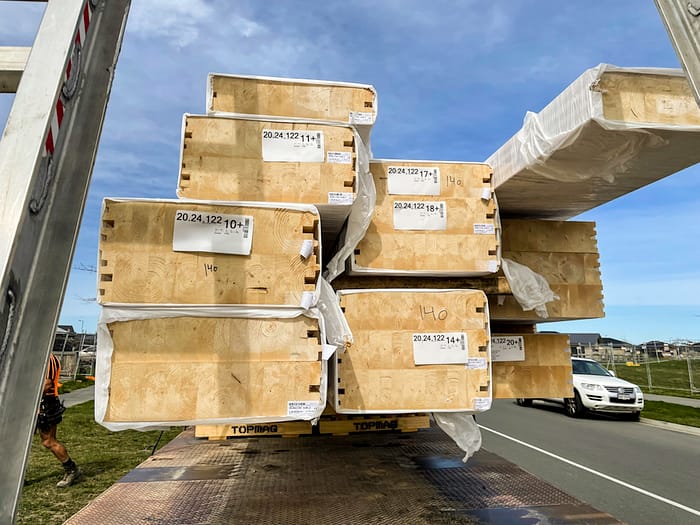
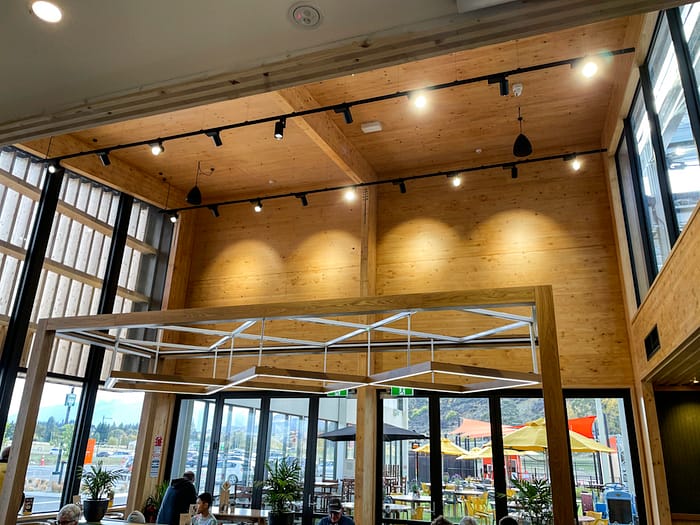
MASS TIMBER combines the best of nature and technology to deliver strength, beauty and efficiency.
Mass timber offers exceptional strength, making it a reliable and versatile choice for contemporary construction. It is also easy to manage and install, minimises waste, sequesters carbon throughout the home’s lifespan, and provides a beautiful natural aesthetic.
Mass timber includes engineered wood products such as cross-laminated timber (CLT), glued laminated timber (glulam), and mass plywood panels (MPP). These products are created by laminating dimensional lumber into structural elements like panels, columns, and beams.
Key Advantages of Mass Timber
Strength and Durability: Mass timber is comparable in strength to steel and concrete, enabling innovative architectural designs, including multi-storey structures.
Sustainability: Manufacturing mass timber produces less waste, consumes less energy, and dramatically lowers carbon footprints compared to traditional materials.
Aesthetic Appeal: Wood’s warm, natural look enhances living spaces, fostering a closer connection to nature while elevating interior design.
Mass timber combines the best of strength, sustainability, and style, delivering high-performance homes that are as beautiful as they are eco-friendly.
FOUNDATIONS
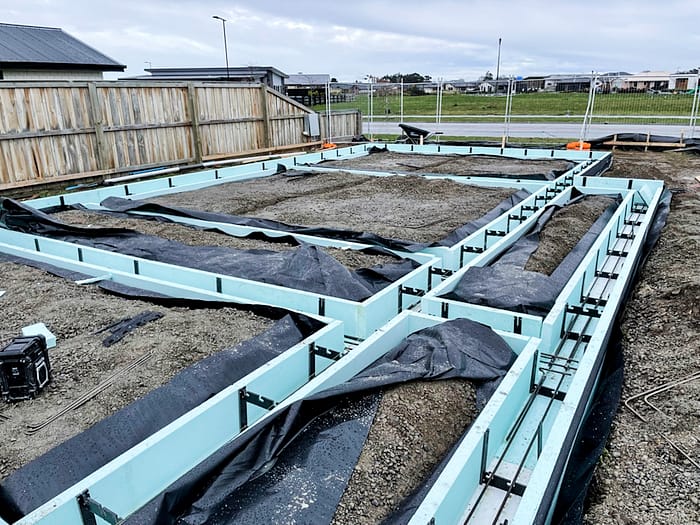
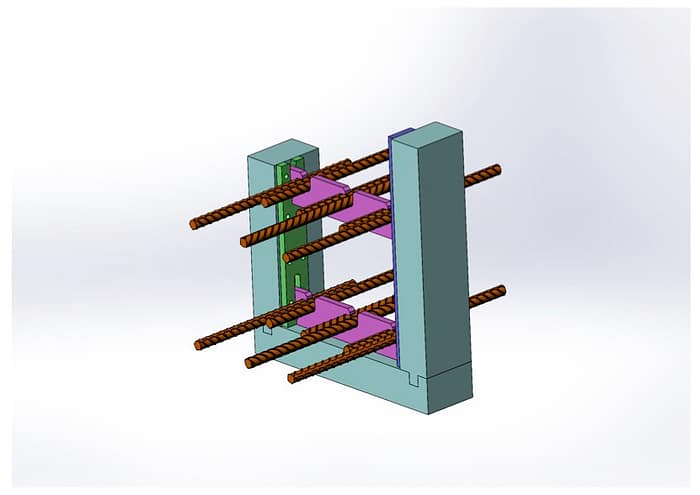
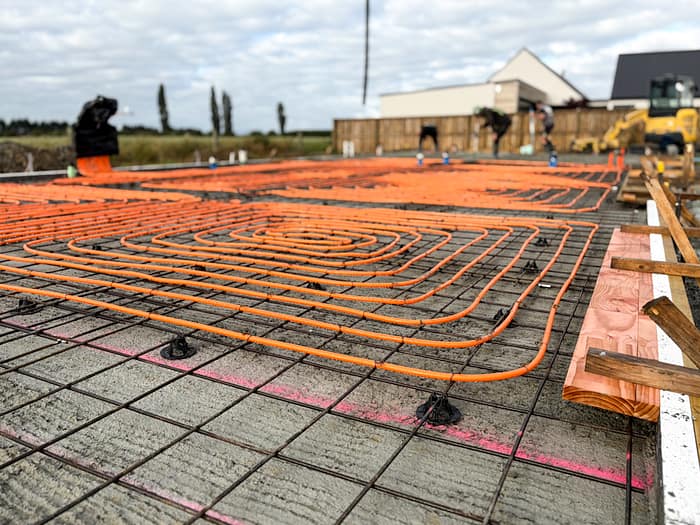
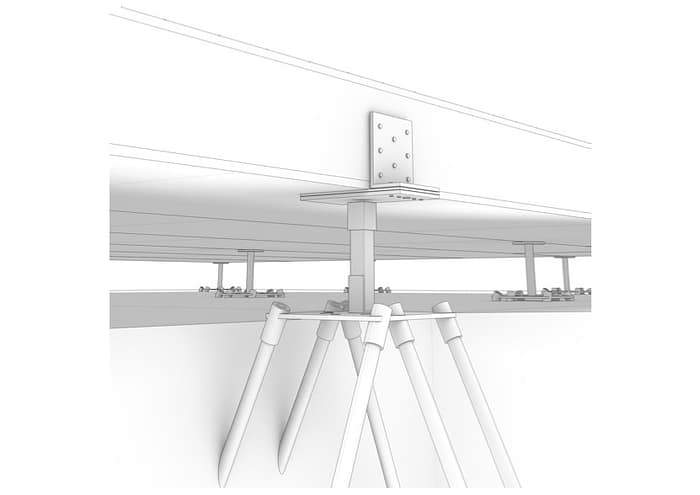
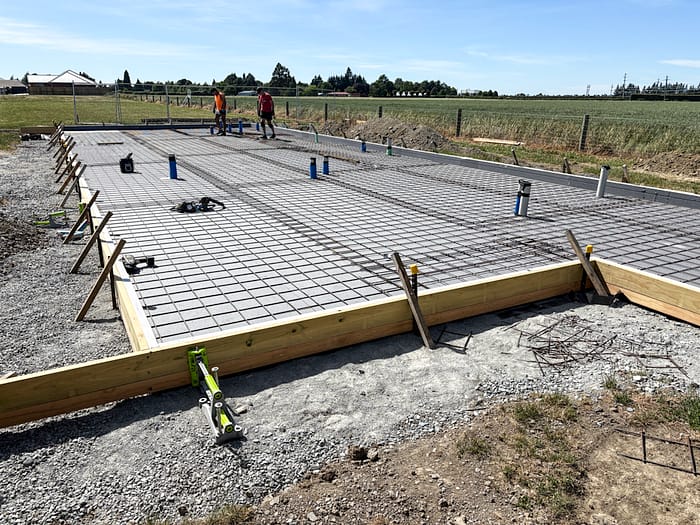
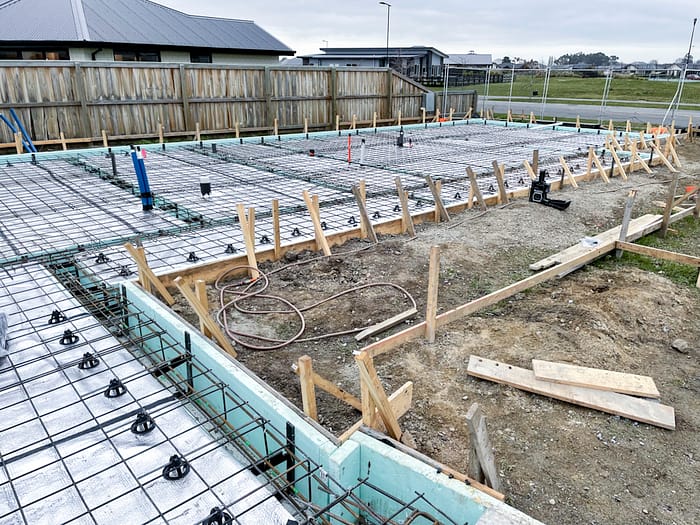
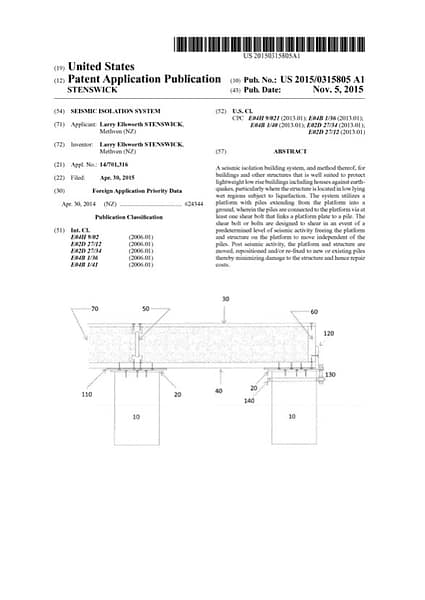
Every site requires a solid foundation, and we offer solutions for all.
Building on a Strong Foundation
Before choosing the appropriate foundation type, we evaluate the site, terrain, and intended use of the home. Factors like soil conditions, access, building style, and mass all play a role in identifying the best solution.
With years of experience in foundation engineering and construction, we understand the complexity and precision required to deliver a robust and reliable platform.
Oboe has developed three foundation systems: our patented Isoquake™ system, which protects against earthquakes and liquefaction; our proprietary Therma Twin-Pour™ foundation system; and the Insul-Grillage™ system. All three provide superior seismic resilience and enable cost-effective builds on any soil.
Our foundation solutions offer benefits like durability, stability, and energy efficiency. They also employ cutting-edge technologies to provide carbon-conscious, fast, and efficient builds.
HIGH PERFORMANCE WINDOWS
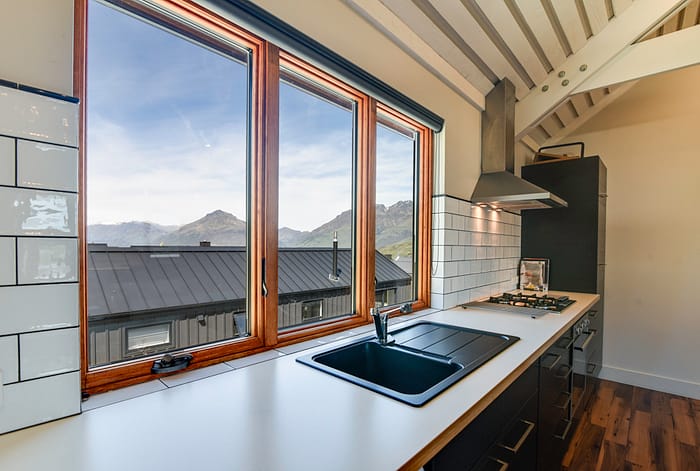
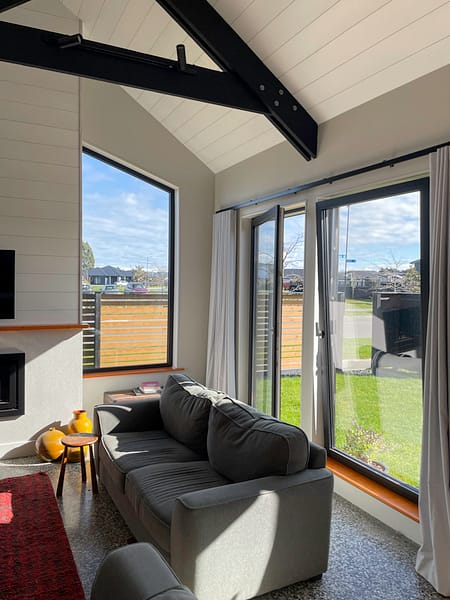
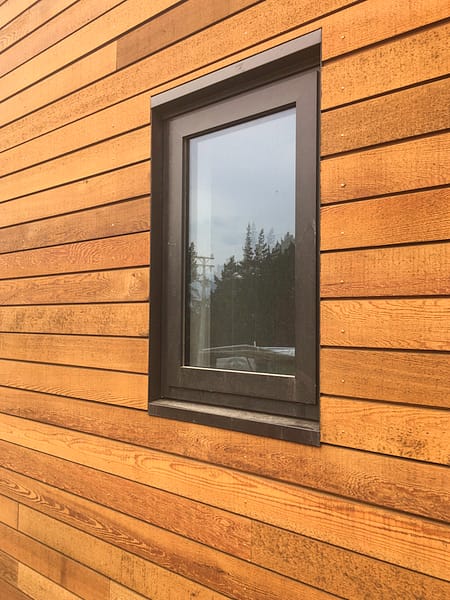
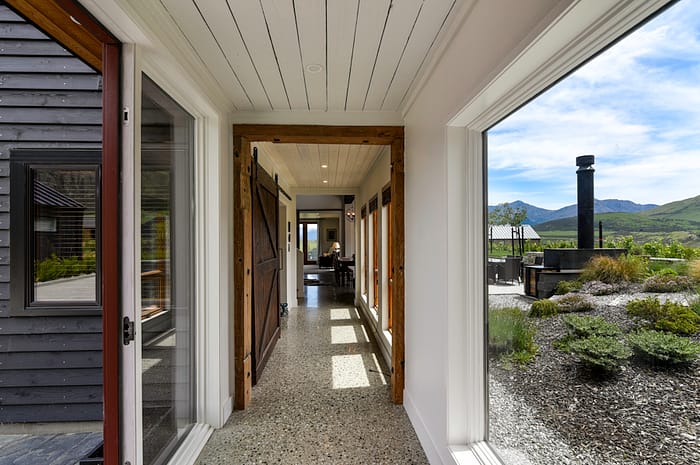
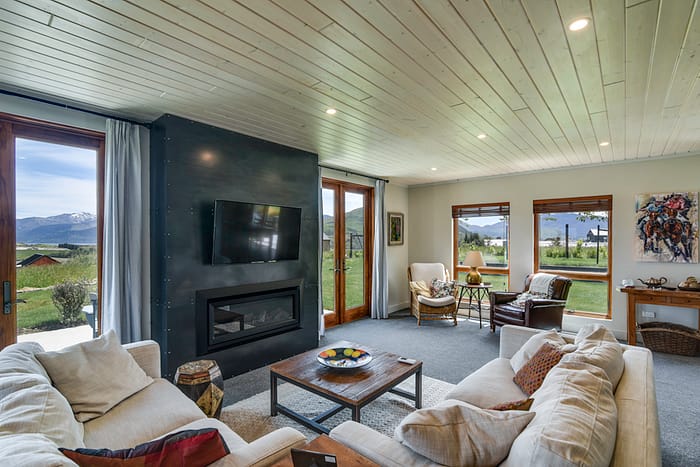
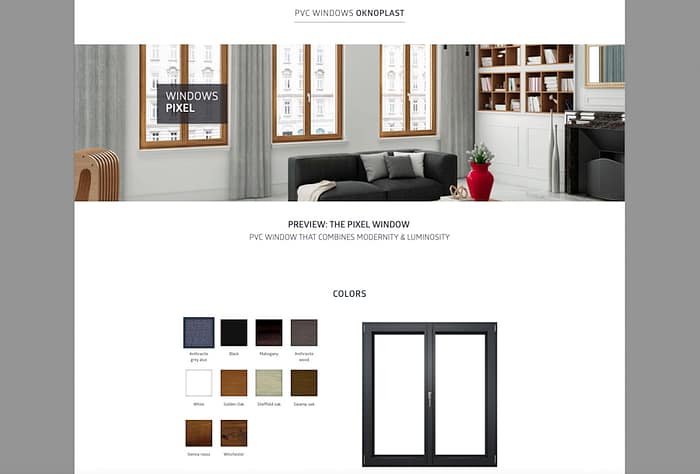
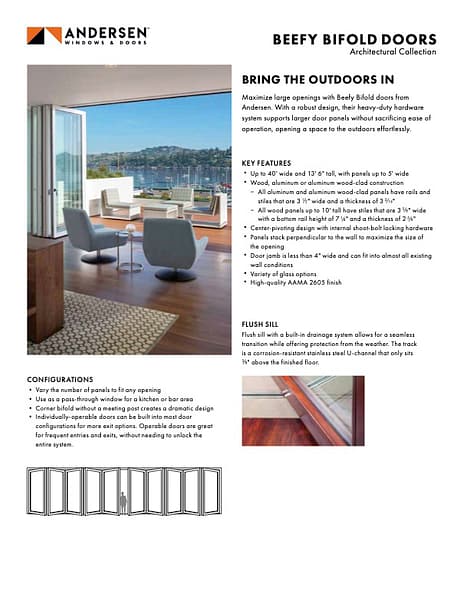
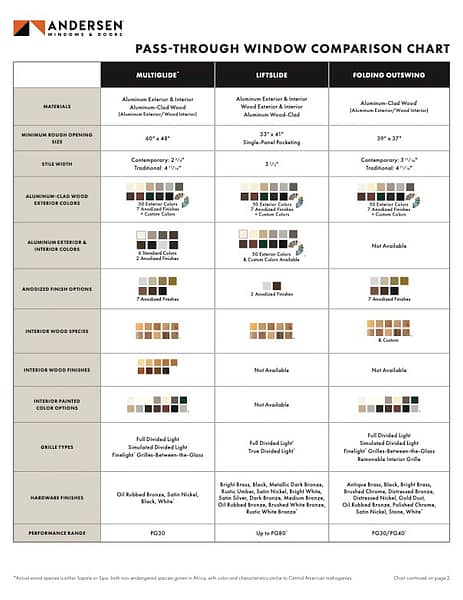
The visual impact of windows and doors is combined with excellent thermal efficiency.
OBOE has partnered with two of the world’s leading manufacturers, Oknoplast in Europe and Andersen in the US, to guarantee superior-quality windows and doors and thermal performance that aligns with the other components of our building system.
Depending on the project, we use uPVC or clad timber windows and doors in various sizes, finishes, and colours to perfectly complement the home’s design and orientation. All glazing, whether double or triple, is argon-filled and Low-E for optimal insulation. We offer sun-smart options for large north—or west-facing windows to prevent overheating and maintain comfort throughout the year.
Our windows are crafted to integrate seamlessly with precisely cut exterior panels, guaranteeing easy installation, quicker construction times, and airtight buildings.
The windows and the precisely cut openings in the exterior panels match, allowing easy installation and much faster builds.
Investing in high-quality windows and doors isn’t solely about immediate benefits; it’s a long-term investment that enhances value, security, and livability.
The window manufacturers have cutting-edge production facilities, excellent quality control, and a longstanding supply history in some of the world’s most demanding climates.
Superior windows mean better energy efficiency, soundproofing, and security. They can also provide more light, look better, and last longer.
HEAT EXCHANGE, AIR FILTRATION, HEATING AND COOLING
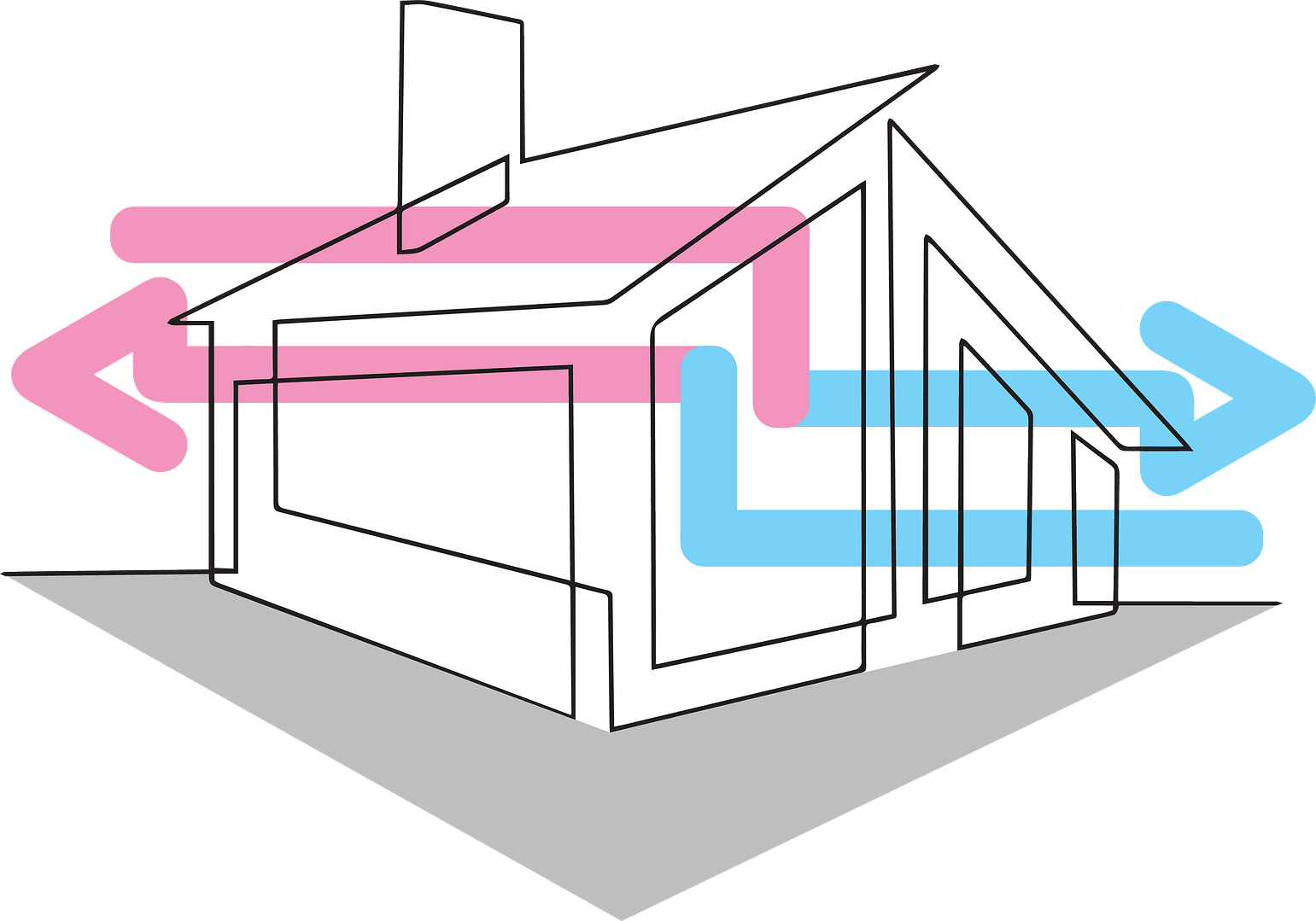
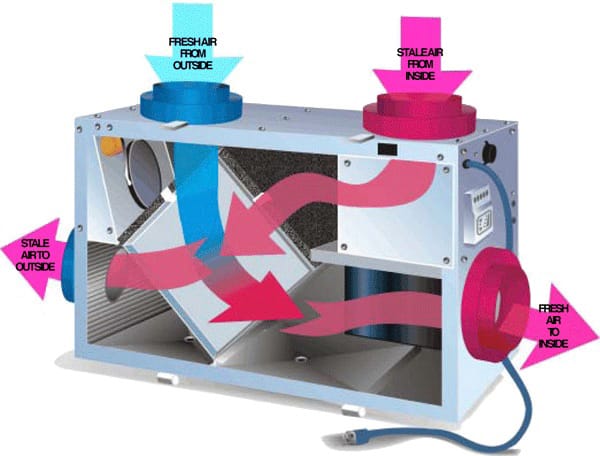
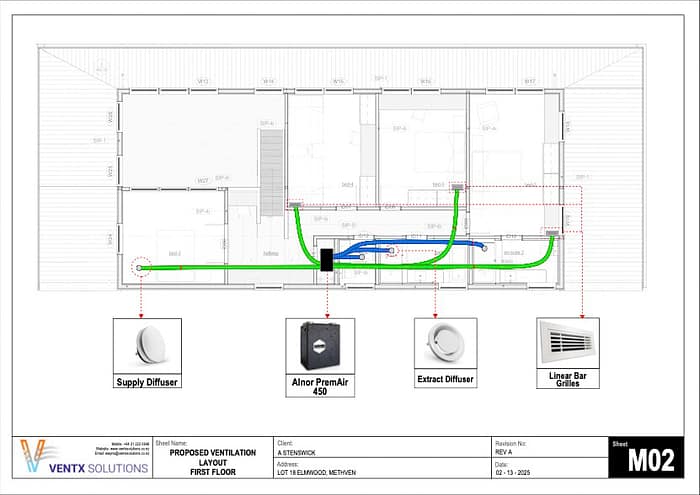
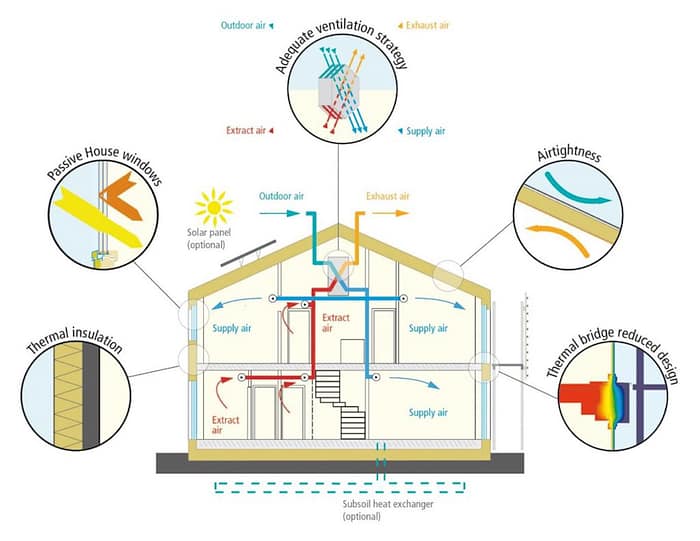
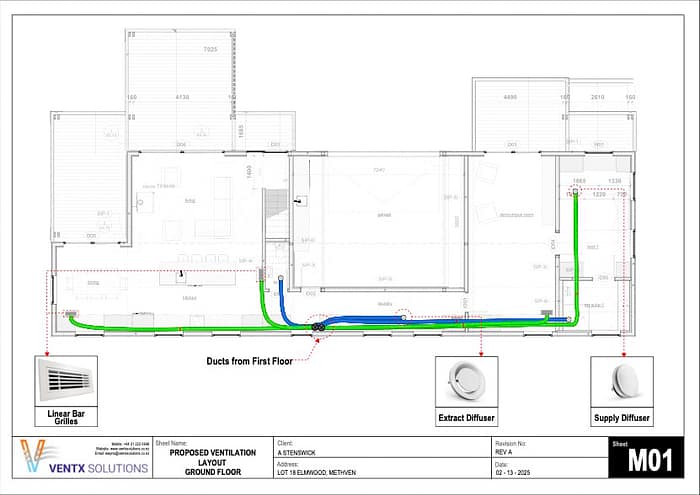
Effective home temperature management and clean air contribute to comfortable and healthy living.
OBOE Homes are engineered to be nearly airtight, ensuring efficient and effective temperature management. We equip every home with an integrated heat exchange and air filtration system to facilitate this. While HVAC (heating, ventilation, and air conditioning) systems are standard in commercial properties, we believe every homeowner deserves the same level of comfort and air quality.
An air control system in a home is essential for maintaining a comfortable indoor climate throughout the year. It provides efficient heating in winter and cooling in summer. It ensures optimal indoor air quality by filtering pollutants, allergens, and excess moisture. An HVAC system also boosts energy efficiency, leading to lower utility bills. Additionally, it protects the home from humidity-related issues like mould growth while increasing property value and contributing to a comfortable, safe living environment.
By combining airtight construction with state-of-the-art HVAC technology, OBOE Homes delivers an ideal balance of comfort, energy efficiency, and long-term value—all while creating a safe, clean, and enjoyable living environment.
Heating and Cooling Systems
Whole-house thermal computer modelling, based on building type and site conditions, informs the selection of heating and cooling systems. At OBOE, we prefer energy-efficient ambient systems, such as hydronic underfloor heating and cooling, which maintains a comfortable indoor temperature.
High Performance Homes
There are seven essential features that define a high-performance house, and OBOE homes incorporates all of them into every build:
1. Energy Efficiency
- High-Performance Insulation: Superior insulation in walls, roofs, and floors to minimize heat transfer.
- Advanced Window Glazing: High-quality windows that reduce heat loss in winter and heat gain in summer.
- Airtight Construction: Minimizing air leaks through well-sealed building envelopes.
- Efficient HVAC Systems: Heating, ventilation, and air conditioning systems that use less energy while providing optimal comfort.
- Renewable Energy Sources: Integration of solar panels or other renewable energy systems.
2. Indoor Air Quality
- Proper Ventilation: Mechanical ventilation systems (like HRVs or ERVs) to ensure a constant supply of fresh air.
- Low VOC Materials: Use of low or zero volatile organic compound (VOC) materials to reduce indoor pollutants.
- Humidity Control: Systems to manage indoor humidity levels to prevent mold and improve comfort.
3. Comfort
- Thermal Comfort: Consistent indoor temperatures without drafts or cold spots.
- Acoustic Comfort: Soundproofing measures to reduce noise pollution from outside and between rooms.
- Visual Comfort: Ample natural light through well-placed windows and skylights, reducing the need for artificial lighting.
4. Durability and Longevity
- Quality Construction: High standards of construction to prevent issues like water infiltration, mold, and structural degradation.
- Resilient Materials: Use of durable materials that require less maintenance and have a longer lifespan.
- Weather Resistance: Features designed to withstand local climate conditions, including extreme weather events.
5. Sustainability
- Sustainable Materials: Use of environmentally friendly, recycled, or renewable materials.
- Water Efficiency: Low-flow fixtures, rainwater harvesting, and greywater recycling systems to reduce water consumption.
- Waste Reduction: Efficient waste management during construction and incorporation of design features that minimize waste.
6. Smart Technology Integration
- Home Automation: Smart systems for lighting, heating, cooling, and security to enhance efficiency and convenience.
- Energy Monitoring: Tools to monitor and optimize energy usage.
7. Design and Aesthetics
- Integrated Design: Collaboration between architects, builders, and engineers to ensure that all systems work together efficiently.
- Functional Layout: Designs that maximize usable space and adapt to the occupants’ needs.
- Computer modelling of solar orientation